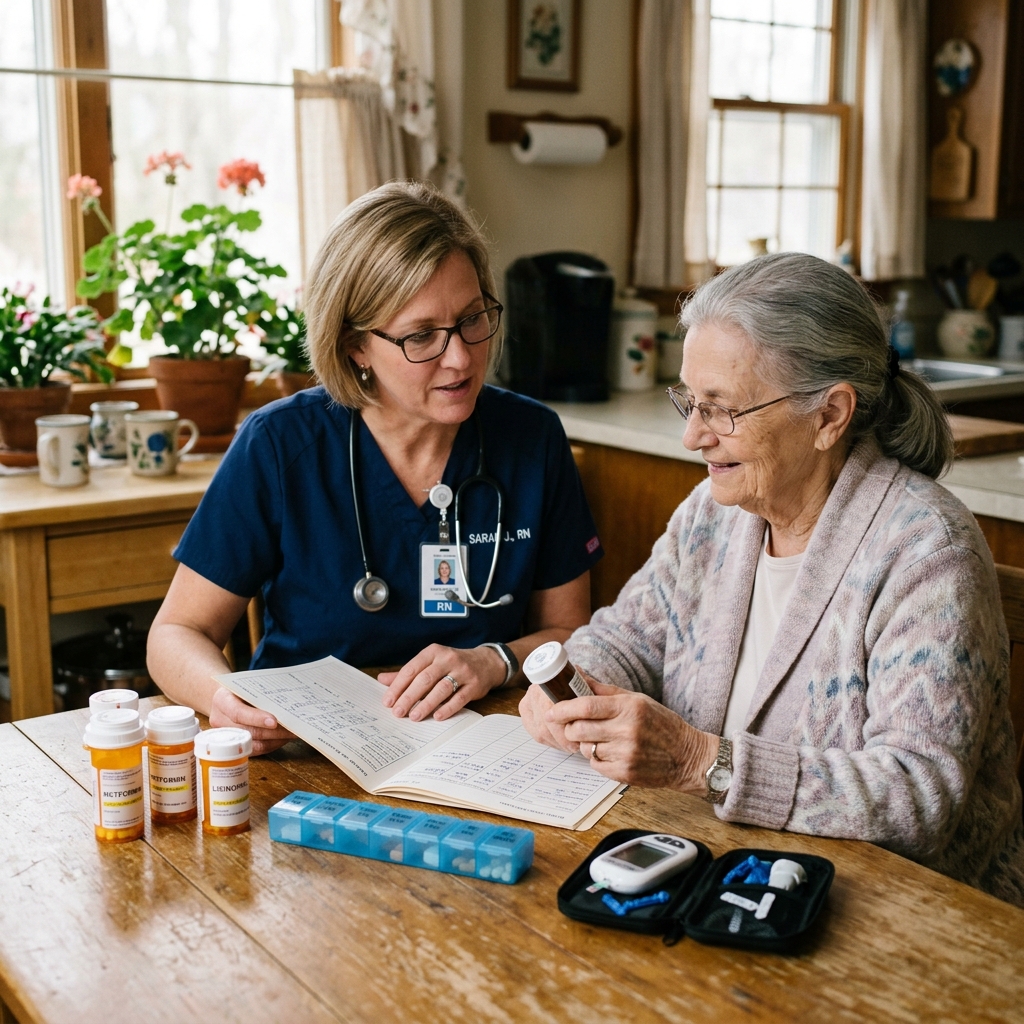
Living with a chronic disease requires a level of daily clinical vigilance that most people find difficult to sustain alone. Diabetes, heart failure, COPD, chronic kidney disease, and Parkinson's disease all demand consistent monitoring, medication adherence, and rapid recognition of deterioration. When managed well, chronic disease can be lived with comfortably. When managed poorly, it leads to avoidable hospital admissions and serious complications.
The Chronic Disease Management Challenge in Perth
Perth's healthcare system is excellent, but GP appointment gaps and specialist waiting lists mean that many chronic disease patients are effectively managing their conditions alone between appointments. For complex patients — particularly the elderly or those with multiple diagnoses — this gap represents real clinical risk.
In-home nursing visits from Care N Cure fill this gap. Our registered nurses conduct structured chronic disease assessments, monitor trends in vital signs and symptoms, identify early deterioration, and communicate directly with your treating team.
Nurse-Led Monitoring for Common Chronic Conditions
Diabetes Management
Effective diabetes management requires daily blood glucose monitoring, careful medication management (particularly for those on insulin), wound surveillance (diabetic feet are especially vulnerable), and lifestyle support.
Our nurses:
- •Check blood glucose trends and identify patterns of hypoglycaemia or hyperglycaemia
- •Inspect feet for neuropathy, skin breakdown, calluses, and early ulceration at every visit
- •Review insulin technique and timing
- •Escalate HbA1c concerns to your GP before they become crises
- •Educate patients and families on hypoglycaemia recognition and management
A diabetic foot ulcer that is identified early and treated properly is a minor inconvenience. Identified late, it can lead to amputation. Regular nursing visits can be the difference between these two outcomes.
Heart Failure Monitoring
Heart failure is a condition where subtle changes — a kilogram of fluid gained overnight, slight ankle swelling, increased breathlessness on exertion — are important early warning signs of decompensation. Recognising and acting on these signs early prevents hospital admission.
Our nurses conduct structured heart failure assessments including:
- •Daily or alternate-day weight monitoring and trend analysis
- •Oedema assessment (legs, sacrum, lungs)
- •Blood pressure and heart rate monitoring
- •Review of fluid intake and diuretic dosing
- •Communication to cardiologist or GP when threshold parameters are met
COPD and Respiratory Disease
COPD management involves bronchodilator inhalers, supplemental oxygen in advanced cases, pulmonary rehabilitation, and infection vigilance. An acute COPD exacerbation triggered by a respiratory infection can be life-threatening if not caught early.
Our nurses monitor respiratory rate, oxygen saturation, sputum character, and inhaler technique at every visit — and act early when these parameters suggest an exacerbation is developing.
The Importance of Medication Adherence in Chronic Disease
Medication non-adherence is the single biggest driver of preventable hospital admissions in chronic disease patients. It is often not deliberate — patients become confused about which tablet to take when, miss doses, or stop medications due to side effects they haven't disclosed to their doctor.
Our nurses review your complete medication list at each visit, check compliance, identify side effects, and liaise with your GP when medication changes are needed. For patients at high risk, we arrange Webster pack dispensing through local pharmacies, which eliminates the dosing confusion entirely.
When to Call Your Nurse
If you are a Care N Cure client managing a chronic condition and you experience:
- •Rapid weight gain (more than 1kg in a day for heart failure patients)
- •Blood glucose readings consistently above 15 mmol/L or below 4 mmol/L
- •Increased breathlessness, chest tightness, or wheeze
- •New or worsening oedema
- •Confusion or behavioural changes
- •Fever or signs of infection
Contact us immediately on 1300 919 663. For emergencies, call 000.
Care N Cure Chronic Disease Management in Perth
We work alongside your GP, cardiologist, endocrinologist, or respiratory physician — not instead of them. Our role is to provide the regular clinical monitoring that your treating team simply does not have the appointment capacity to deliver. We document thoroughly and communicate our findings so your specialists always have a complete picture.
If you or a family member is managing a complex chronic condition in Perth and finding that GP appointments are too infrequent to manage safely, call us to discuss how a regular nursing visit program could reduce your risk and improve your quality of life.
Looking for a Private Registered Nurse at Home?
Because the people you love deserve to stay home safely, Care N Cure provides dedicated, consistent registered nursing care across Perth. Learn more about our Private Nursing at Homeservices, or contact us to discuss your family's needs.